

Heels vs Flats for Standing All Day at Work
Last Updated: November 19, 2026
Quick Summary
For standing all day, heels vs flats depends less on the category and more on the specific shoe. A low, stable block heel and a supportive flat can both work well, while a tall stiletto or an unsupportive ballet flat is usually the harder choice for a full shift.
- Choose a low, stable heel of roughly 1 to 2 inches for long standing days.
- A block or wider heel spreads your weight better than a stiletto.
- Look for a padded footbed and arch support you can feel when you press the insole.
- Alternate between two pairs when possible so your feet get recovery time.
- Break in new shoes for a few hours at a time before wearing them for a full shift.
Table of Contents
- Why Standing All Day Changes the Heels vs Flats Question
- What Research Says About Heels and Stability
- Comfortable Low Heels for Work: Where a Low Block Heel Fits
- Supportive Flats for Work: Why Flat Does Not Mean Comfortable
- Shoes With Arch Support for Standing All Day
- Best Shoes for Standing All Day at Work: A Shoe-Selection Checklist
- Choosing Your Next Work Pair From Our Boutique
- Frequently Asked Questions
Why Standing All Day Changes the Heels vs Flats Question
Standing for long stretches changes what you need from a shoe, and the heels vs flats decision becomes a real comfort question. A heel that looks polished at 9 a.m. can feel like a burden by mid-afternoon, and a flat that feels soft at first can leave your arches aching by evening. At Shop, we hear from women in every season of life: moms with busy schedules, professionals running from meeting to meeting, and women who want to look put together every day.
The real question is not whether heels or flats are "better." It is which shoe keeps you steady, supported and comfortable across a full workday. Heel height and shoe structure both affect how your body handles long periods on your feet, so the answer depends on the shoe, not just the category.
What Research Says About Heels and Stability
Heels change how your body balances, and the effect depends on height, heel shape and how long you stay on your feet.
Standing and walking are not the same test, and most advice blurs them. Prolonged standing loads the feet continuously, so cushioning, arch support and a stable base matter most. Walking adds impact and push-off, so flex, heel counter security and toe-box room move up the list. A shoe that feels fine for a two-hour meeting can fail a six-hour shift on a hard floor, and a shoe that is great for walking errands can ache during a stationary shift. Duration, surface and breaks change the answer, which is why a single "heels versus flats" ruling does not hold.
Flats carry their own risks, and the evidence is often misapplied. A 2025 review of footwear and locomotor health across the life course described a study of 2,300 children in which habitual footwear use was associated with a higher incidence of flat foot. That result concerns children, so it does not tell you which adult work shoe is best. It does show that the structure of what you wear every day shapes how your feet develop and hold up over time, which is a reason to treat a flimsy flat as seriously as a tall heel.
The practical takeaway is that a low, stable heel and a supportive flat can both work for prolonged standing, and the deciding factors are heel height, heel width, cushioning, arch support and fit. A low block heel can outperform an unsupportive ballet flat for some wearers, while a contoured flat can outperform a narrow stiletto. Judge the shoe, not the category.
Watch out: persistent pain, numbness, or pain that lingers after you take your shoes off is a reason to see a foot and ankle professional rather than to keep rotating shoes.
Comfortable Low Heels for Work: Where a Low Block Heel Fits
A low block heel is often the sweet spot for standing all day. The wider base spreads your weight, and the modest height keeps your posture balanced without strain on the balls of your feet.
If you want an option to see in person, the Mackenzie Sandals by Matisse ($29.00) offer a 0.5-inch heel with a square open toe and a leather upper. The MERMAID Sandals by Matisse ($20.00) have a padded faux leather footbed.
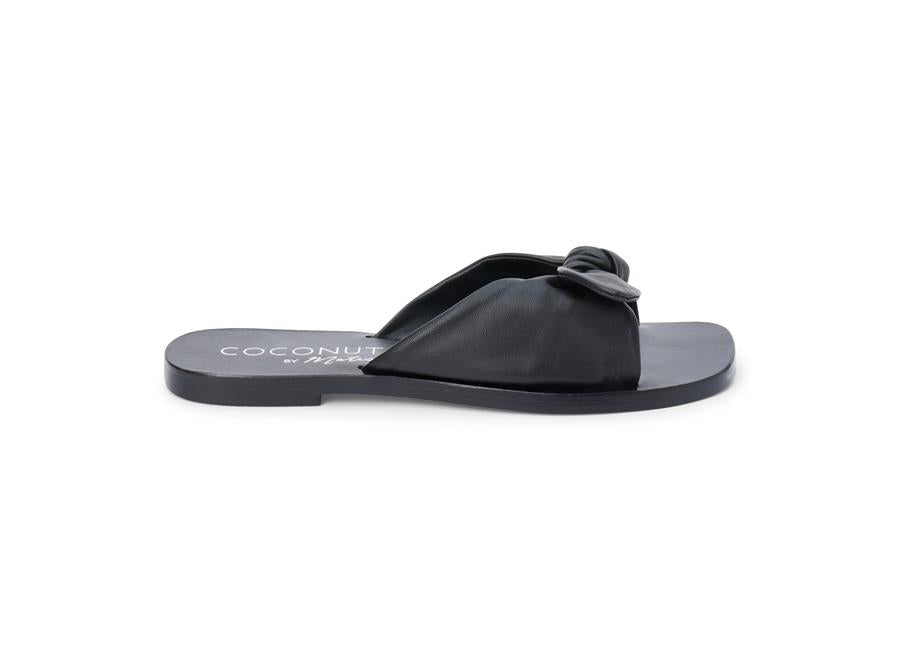
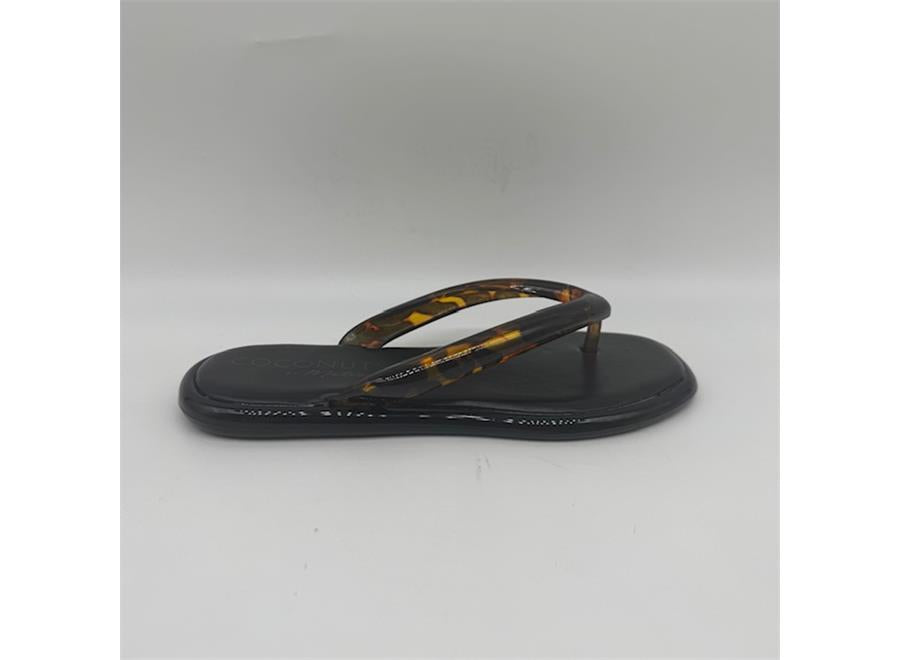
Here is how the low heel and flat options named in the article compare on the features that matter for standing all day.
| Option | Best for | Key difference |
|---|---|---|
| Mackenzie Sandals by Matisse ($29.00) | Standing with a low heel | 0.5-inch heel, square open toe, leather upper |
| MERMAID Sandals by Matisse ($20.00) | Padded comfort | Padded faux leather footbed |
| RUTHIE Sandals in Gold ($20.00) | Supportive flats | Padded insole, leather upper |
Supportive Flats for Work: Why Flat Does Not Mean Comfortable
A flat is not automatically comfortable. What matters is the arch, the cushioning and how the shoe fits your foot. A flimsy ballet flat can leave you more tired than a well-built low heel, because it offers no shock absorption and little support.
When you shop flats for work, look for a padded insole, a firm heel counter and a sole that bends where your foot bends. The RUTHIE Sandals in Gold ($20.00) feature a padded insole and a leather upper. For longer shifts, check that the footbed cradles your arch rather than letting your foot slide forward.
Shoes With Arch Support for Standing All Day
Arch support is a key comfort feature for long days on your feet, but "arch support" is not a single thing. A contoured footbed that meets your arch, a firm heel counter that holds the back of your foot, and a sole that bends where your foot bends work together. Whether you choose a heel or a flat, that combination reduces strain on the foot and calf more than height alone does.
Fit and foot shape change the comparison, and most guides treat all flats and heels as equivalent. Toe-box width matters if you have a wider forefoot or a bunion, because a pointed toe concentrates pressure on the ball of the foot. Arch shape matters if you have a high arch, which often needs more cushioning under the midfoot, or a low arch, which often needs a firmer, more supportive footbed. Foot volume matters if you have a shallow or deep instep, because a strap or upper that fits one foot shape will rub on another. Sizing matters too: a shoe that is too short jams the toes, and one that is too long lets the heel slip. Try shoes on in the afternoon, when your feet are at their largest, and walk around the boutique before you decide.
Work environment and surface change what to prioritize. On hard tile or concrete, as in retail, healthcare and hospitality, cushioning and a shock-absorbing sole matter most. On uneven or carpeted floors, stability and a secure heel counter matter more. In an office with mixed sitting and standing, a low block heel or a contoured flat can both work, while a long stationary shift favors the shoe with the better footbed. If your day mixes standing and walking, favor flex and toe-box room alongside support.
Use this checklist when you compare any two options:
- Heel height: Choose a low, stable heel (roughly 1 to 2 inches) for long standing days.
- Heel shape: A block or wider heel spreads weight better than a stiletto.
- Footbed: Look for padding and arch support you can feel when you press the insole.
- Upper and fit: The shoe should hold your heel without pinching the toes.
- Sole: A sole with some flex lets your foot move naturally.
- Rotation: Alternate between two pairs when possible so your feet get recovery time.
Transition and rotation strategies make a real difference. Break in new shoes for a few hours at a time before a full shift, and change shoes partway through a long day if you can. Alternating pairs gives your feet recovery time and spreads wear across the shoes.
Watch out: breaking in a new pair on a day you have to stand for hours can cause blisters and foot fatigue, so plan the first wear for a shorter day.
Best Shoes for Standing All Day at Work: A Shoe-Selection Checklist
Use this checklist when you compare any two options:
- Heel height: Choose a low, stable heel (roughly 1 to 2 inches) for long standing days.
- Heel shape: A block or wider heel spreads weight better than a stiletto.
- Footbed: Look for padding and arch support you can feel when you press the insole.
- Upper and fit: The shoe should hold your heel without pinching the toes.
- Sole: A sole with some flex lets your foot move naturally.
- Rotation: Alternate between two pairs when possible so your feet get recovery time.
Watch out: Breaking in a new pair on a day you have to stand for hours can cause blisters and foot fatigue. Wear new shoes for a few hours at a time before a full shift.
Choosing Your Next Work Pair From Our Boutique
Heels versus flats is a personal choice, and the best answer is the pair you can stand in for a full day. Start with fit and support, then choose the style that fits your work and your wardrobe. Our boutique team can help you compare options, and you can shop online or in person.
Shop the collection and find the pair that keeps you steady from morning meetings to the drive home.
Frequently Asked Questions
What type of heels are most comfortable for standing all day?
Low, wider heels with a block or stacked shape and a cushioned footbed tend to be the most comfortable for long days on your feet. A wider platform spreads your weight more evenly than a slim stiletto. Look for a padded insole and a heel that does not tip you forward. Trying a pair around the house for an hour before a full shift helps you judge fit and steadiness.
Is it better to wear heels or flats for standing at work?
Neither is automatically better. Flats are not automatically more comfortable, though: an unsupportive flat can strain your feet and arches. The better choice is the shoe with a stable base, cushioning and a fit that suits your foot.
Are flats or low heels better for standing at work?
For many people, a low block heel with cushioning outperforms an unsupportive flat during a long standing shift. A supportive flat can work just as well if it has arch support, a padded footbed and a firm heel counter. Compare the features rather than the category: a shoe with good support and a stable base is the better choice, whether it has a heel or not.
Are kitten heels comfortable enough for a full workday?
Kitten heels, usually around an inch or less, can be comfortable for a full workday if they have a stable block shape, a padded insole and a snug heel fit. Slim, pointed kitten heels can feel less secure on long days. Test them for a full afternoon of standing before committing to a whole week of wear.

Leave a comment